
So you’ve probably heard me talk a lot about calorie deficit, and read about it online. You might have even seen some posts recently on Facebook, from some of the larger Weight-loss groups about why calorie counting doesn’t work.

I am going to explain why it does and why these other groups don’t want you to believe that it does. First though you need to know – what is a Calorie (Kcal), where are they found and why they matter.
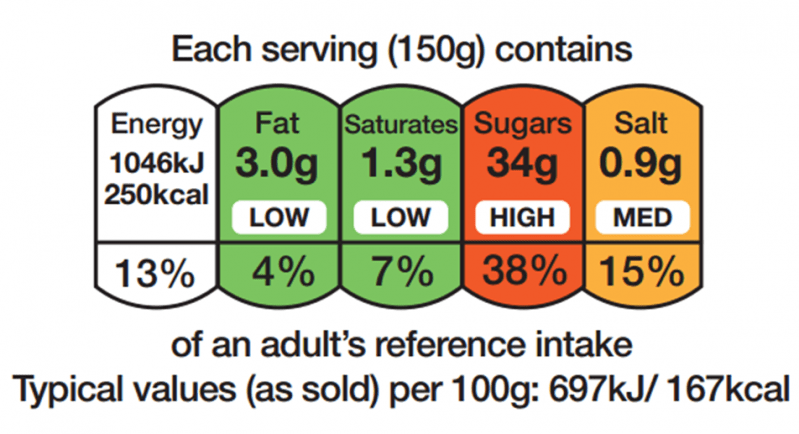
What is a Calorie?
A Calorie is unit of measurement. Specifically, it is defined as the amount of heat needed to raise the temperature of one gram of water by one degree Celsius.
Fair enough? Doesn’t really explain why we go on about calories so much does it?
Calories happen to also be the unit of measurement used to measure how much energy we burn when we do anything. Even our normal bodily functions like our heart beating, our muscles working to keep us breathing and our organs – well doing what ever they do, uses calories. So we all have a basic number of calories we have to eat just to stay alive and function at our best.
That number is different depending on our size, weight, biological sex and level of physical activity.
Why do I need to worry about calories to lose weight?
Here is a quote from the NHS website that puts it very simply why Calories are important.
Our bodies need energy to keep us alive and our organs functioning normally.
When we eat and drink, we put energy into our bodies. Our bodies use up that energy through everyday movement, which includes everything from breathing to running.
To maintain a stable weight, the energy we put into our bodies must be the same as the energy we use through normal bodily functions and physical activity.
An important part of a healthy diet is balancing the energy you put into your bodies with the energy you use.
NHS.uk, https://www.nhs.uk/live-well/healthy-weight/understanding-calories/
If we get this balance wrong, for example we eat more calories than we need, our bodies store this excess energy as fat. If we eat too little the body will start too burn fat and muscle reserves. Both camps can be damaging to your health so it important to strike the right balance.
Makes sense, right?
Other Groups
Other groups will tell you that calorie controlled diets can lead to deficient and unbalanced diets that ultimately are not sustainable and lead to poor weight loss and malnutrition. This gives them their justification to sell supplements or meal replacements etc. FALSE – This doesn’t have to be the case because this depends on WHAT you eat rather than just how much.
What they don’t tell you is that initially even their diets will essentially put you into a calorie deficit – at least at first until the diet becomes unsustainable and bad habits start to creep in (Overeating free foods for example – because – why not?) Following plans that assign other – non scientific point values to foods or eliminate certain food groups from the diet do exactly what they claim calorie control does. If you eat an unbalanced diet where you miss a certain food group or nutrient, but are in calorie deficit, you will lose weight. You will feel pretty lousy health wise. You may find you are tired, lethargic maybe even struggle to maintain regular bowel function. This doesn’t always happen immediately. At first you will feel good and your body will use excess stores of said nutrients you have already stored as fat. But as the fat is lost, the stores become depleted and that’s where the problems start.
This is because your body needs nutrients from variety of foods to maintain healthy function, whilst maintaining the correct balance of calories.
 Slimmers4All.com
Very interesting reading which makes total sense. Love the easy uncomplicated language used. Thank you
LikeLiked by 1 person